From a World War II cargo ship to one of Bali’s most fascinating underwater experiences
The USAT Liberty shipwreck in Tulamben, Bali, is much more than a famous dive site. Beneath the surface lies the remains of an American cargo ship with a history stretching back to the First World War. Torpedoed during the Second World War, the ship was eventually stranded on Bali’s coastline. More than two decades later, volcanic activity associated with Mount Agung helped move the wreck into the sea.
Today, the USAT Liberty shipwreck is covered in marine life and attracts divers, underwater photographers and snorkellers from around the world. However, there is also a common historical mistake: many people call it the USS Liberty. As we will explain at the end, these names refer to two different ships and two very different stories.
The History of the USAT Liberty Shipwreck
1918: The USAT Liberty Is Built in America
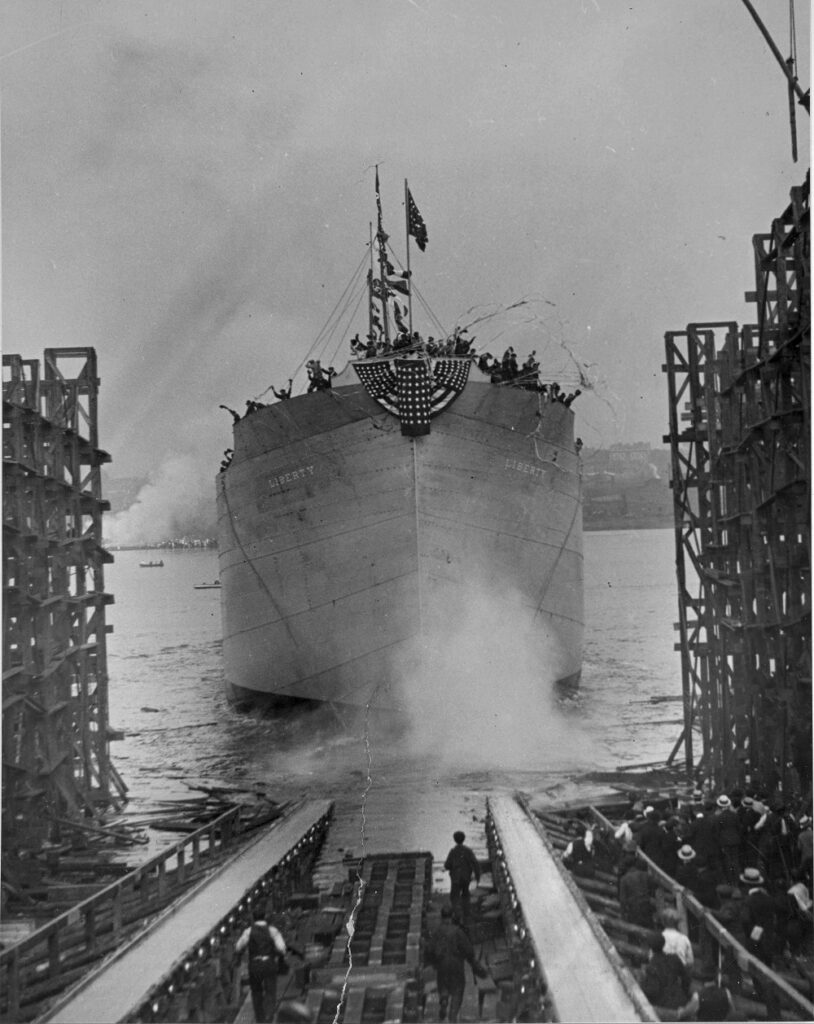
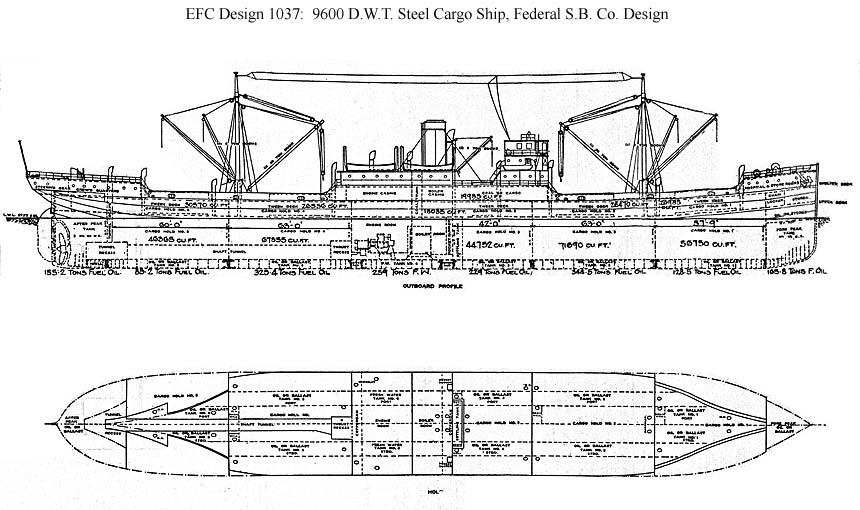
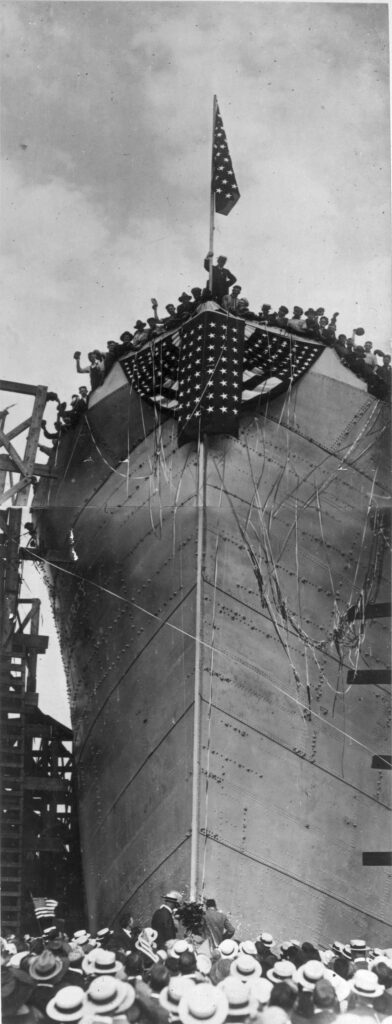
The story of the USAT Liberty began in 1918, near the end of the First World War. The steel-hulled cargo ship was built by the Federal Shipbuilding Company in the Hackensack area of New Jersey, United States.
The ship was launched on 19 June 1918 and completed later that year. On 7 October 1918, the United States Navy took it into service under the name Liberty, with the identification number ID-3461.
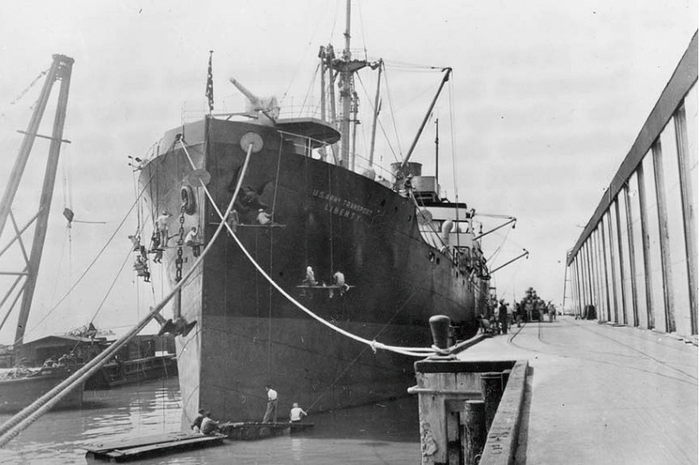
Initially, the ship transported supplies for the American Army. It crossed the Atlantic carrying military cargo and horses to support the Allied war effort in Europe.
After the First World War ended, the Liberty returned to commercial service. It continued operating as a cargo vessel before the United States Army acquired it around 1940.
1940–1941: The Liberty Becomes an Army Transport
As international tensions increased, the Liberty returned to government service. The United States Army used it as a transport vessel, and it became known as the USAT Liberty, meaning United States Army Transport Liberty.
Its purpose was to carry supplies rather than serve as a dedicated warship. During this period, the vessel formed part of the wider transport network supporting American military operations.
Although the ship had originally served under the Navy during the First World War, it was an Army transport during its final voyage in the Second World War.
This distinction is important because it explains why the wreck in Bali is correctly known as the USAT Liberty.
January 1942: The USAT Liberty Is Torpedoed
The most dramatic chapter in the history of the USAT Liberty shipwreck began on 11 January 1942.
At the time, the ship was travelling from Australia towards the Philippines with a cargo that included rubber and railway materials. The Japanese advance across Southeast Asia was threatening Allied supply routes, making transport vessels particularly vulnerable.
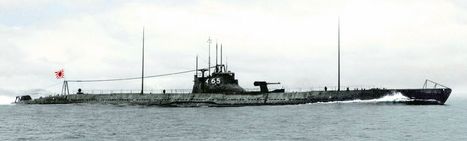
While sailing approximately ten nautical miles southwest of the Lombok Strait, the Liberty was attacked by the Japanese submarine I-66, as identified in the U.S. Navy’s historical record.
The submarine fired torpedoes that severely damaged the cargo ship. The Liberty lost propulsion and began taking on water.
The ship did not immediately disappear beneath the waves. Instead, its crew abandoned the damaged vessel and was rescued. According to the Naval History and Heritage Command, all 54 people aboard survived the attack.
The damaged ship, however, was in serious trouble. Its future would soon become connected to the northeastern coast of Bali.
How the USAT Liberty Shipwreck Arrived in Tulamben
January 1942: The Attempt to Save the Ship
Following the torpedo attack, efforts were made to tow the damaged Liberty towards Celukan Bawang, near Singaraja on Bali’s northern coast.
The American destroyer USS Paul Jones and the Dutch destroyer HNLMS Van Ghent were involved in the attempted salvage operation. However, the damaged transport was taking on too much water to complete the journey safely.
Consequently, the decision was made to beach the ship on Bali’s eastern coast, near the fishing village of Tulamben.
The vessel was deliberately run aground so that it would not sink immediately in deeper water. This also allowed people to salvage cargo and useful equipment.
According to the U.S. Navy’s historical account, the Liberty capsized on 14 January 1942 and became a total loss.
At this point, the ship was not yet the underwater attraction we know today. Instead, it remained stranded close to the shoreline for many years.
1942–1963: The USAT Liberty Shipwreck on the Beach
For approximately two decades, the damaged Liberty remained on the shore at Tulamben.
Its exposed position meant that parts of the vessel could be salvaged, while the tropical climate, seawater and weather gradually affected the remaining structure.
During this time, the ship became part of the coastal landscape. It was still recognisable as a large wreck, but it was not yet lying completely underwater in its present location.
The ship’s transformation into a world-famous dive site would come later, following one of Bali’s most significant volcanic events.
1963: Mount Agung Changes the USAT Liberty Wreck’s History
n 1963, Mount Agung erupted, causing widespread destruction across parts of Bali. The volcanic crisis was accompanied by seismic activity, and the resulting ground movements affected the Liberty wreck.
The vessel slipped off the beach and moved into the sea, where it settled on the sloping seabed. The volcanic and seismic activity helped move the stranded wreck into its underwater resting place.
Over time, the remains became a new habitat for corals, sponges and marine animals. Gradually, a wartime transport ship became one of Bali’s best-known wreck-diving destinations.
The USAT Liberty Shipwreck Today
Where Is the USAT Liberty Shipwreck Located?
The USAT Liberty shipwreck lies just offshore from Tulamben, on the northeastern coast of Bali, Indonesia.
One reason it is so popular is its easy shore access. Divers generally enter from the beach rather than requiring a boat to reach the wreck.
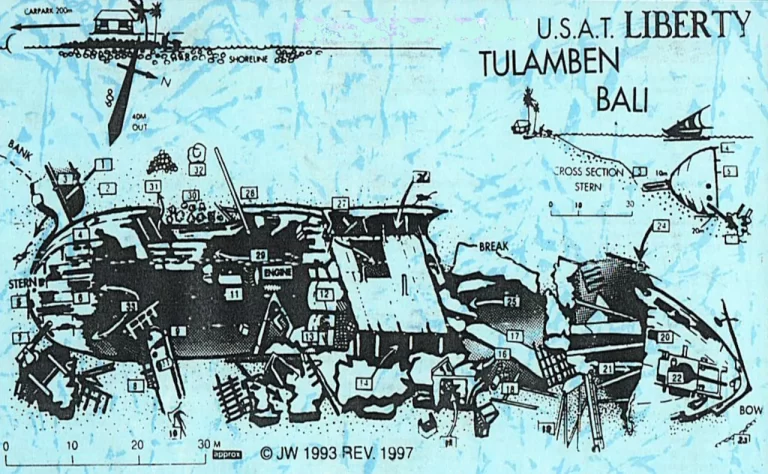
The wreck is commonly described as approximately 120–125 metres long, although published measurements vary. Its remains extend along a sloping seabed, with commonly reported depths ranging from around 3-28 metres depending on the section and local conditions.
As a result, the site offers opportunities for a wide range of recreational divers, subject to their certification, experience, conditions and the dive plan.
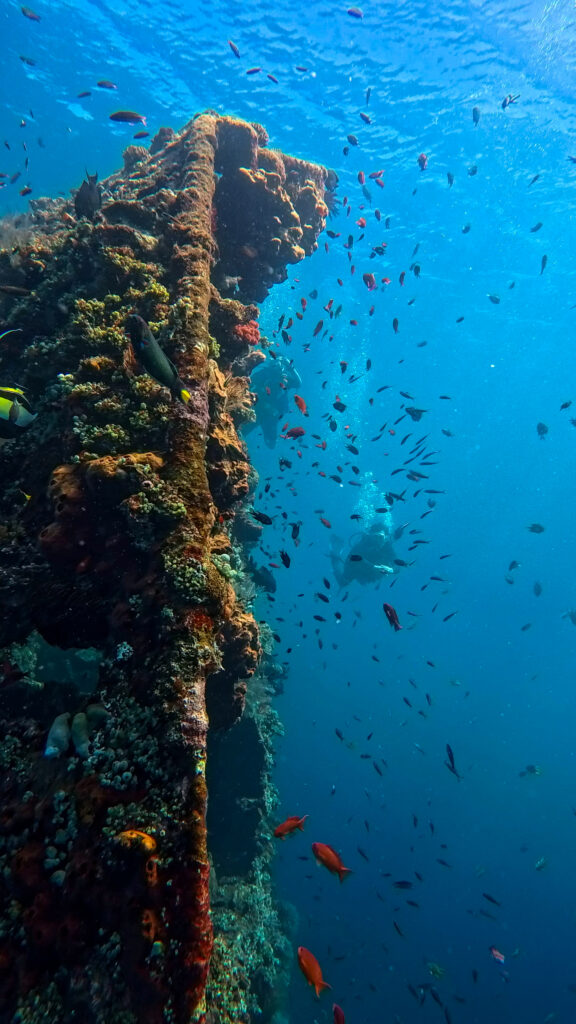
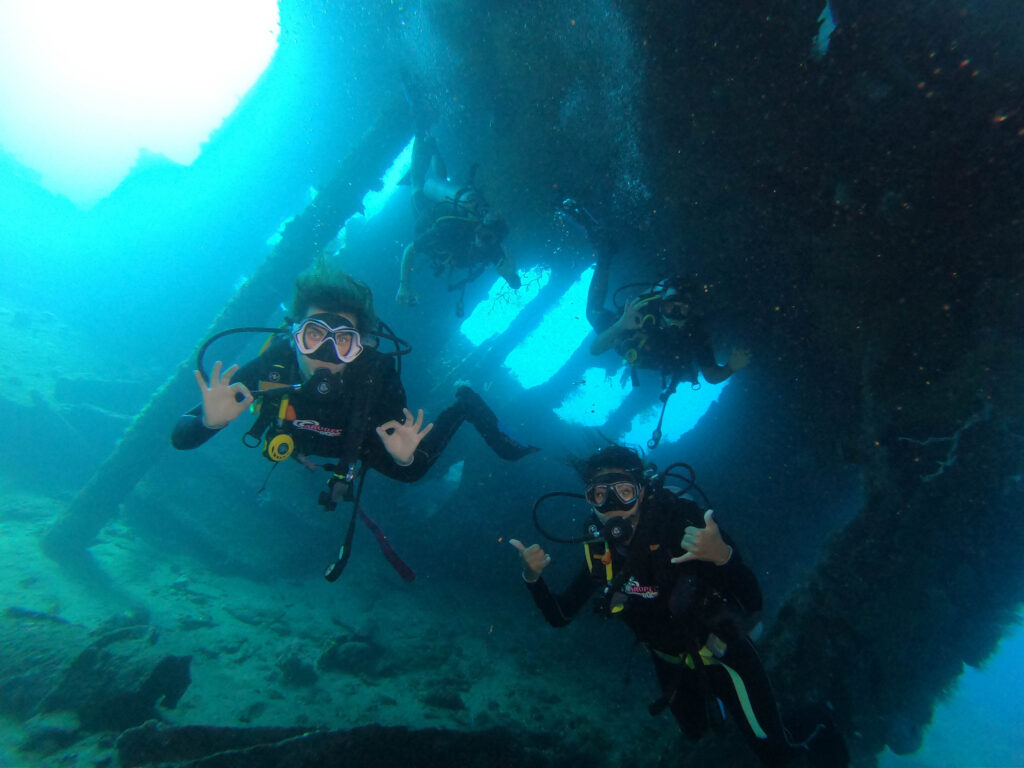
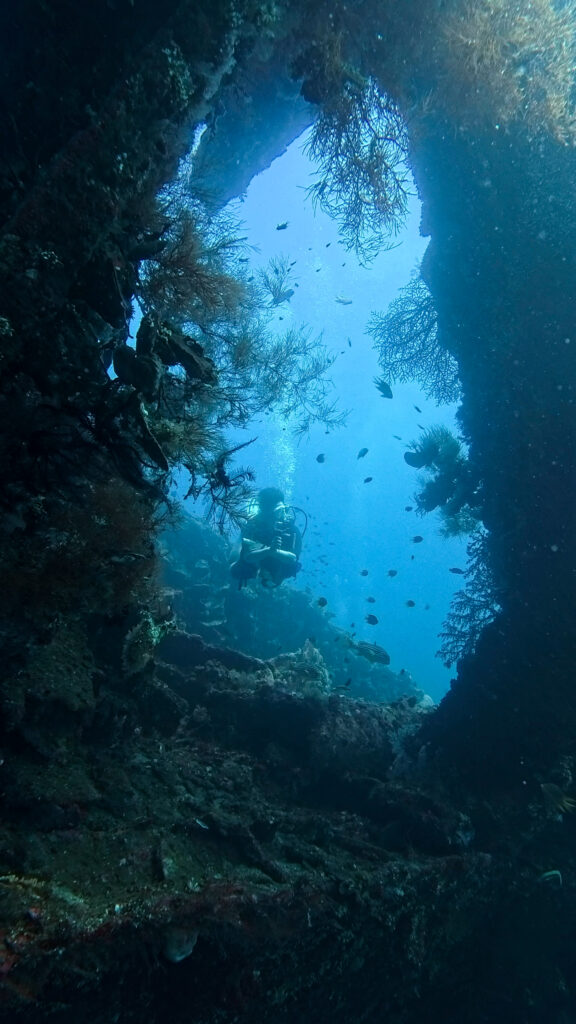
The wreck is broken up, but recognisable sections of the ship remain. Divers can explore the structure while observing how the marine environment has gradually transformed the metal into an artificial reef.
What Marine Life Can You See at the USAT Liberty Shipwreck?
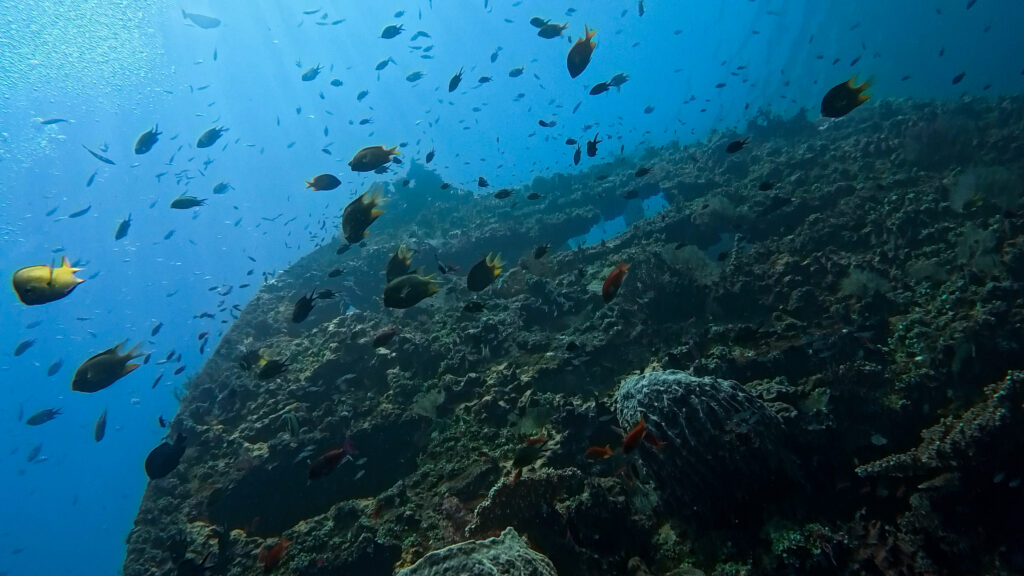
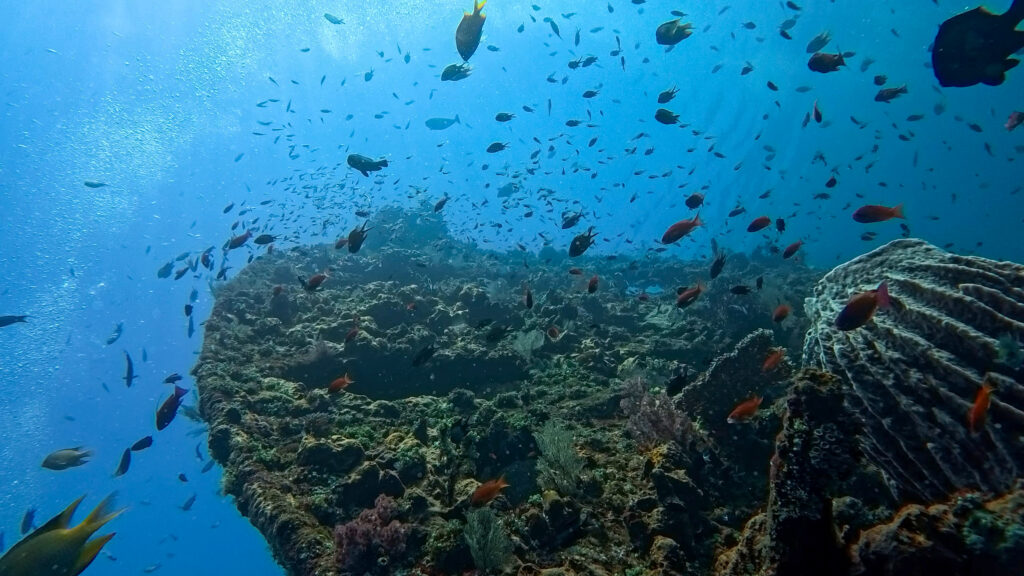
The USAT Liberty shipwreck is now a thriving underwater habitat. Hard corals, soft corals, sponges and other marine organisms cover many sections of the wreck.
Because the site supports a variety of habitats, divers can encounter both large schools of fish and small creatures that reward a closer look.
Marine life varies with conditions and season, but common highlights include:
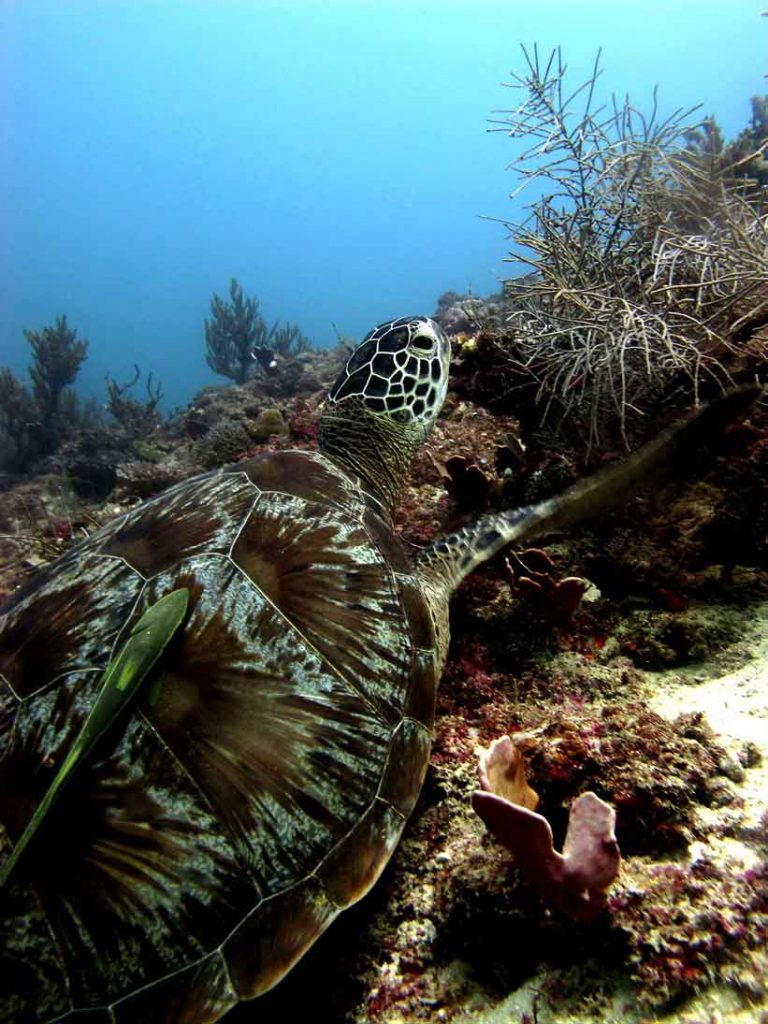
* Schooling fish: Fusiliers and other reef fish move around the wreck in large groups. * Surgeonfish and angelfish: Colourful reef fish feed and shelter among the growth covering the structure. * Barracuda and trevallies: These predatory fish may be seen passing through or hunting around schools of smaller fish. * Turtles: Green turtles and Hawsbill turtle are the most common ones. Other marine turtles may occasionally be encountered in the area. * Moray eels: Look carefully into suitable crevices and sheltered parts of the wreck. * Nudibranchs and other macro life: Small sea slugs, shrimps and other invertebrates can reward patient divers and underwater photographers.
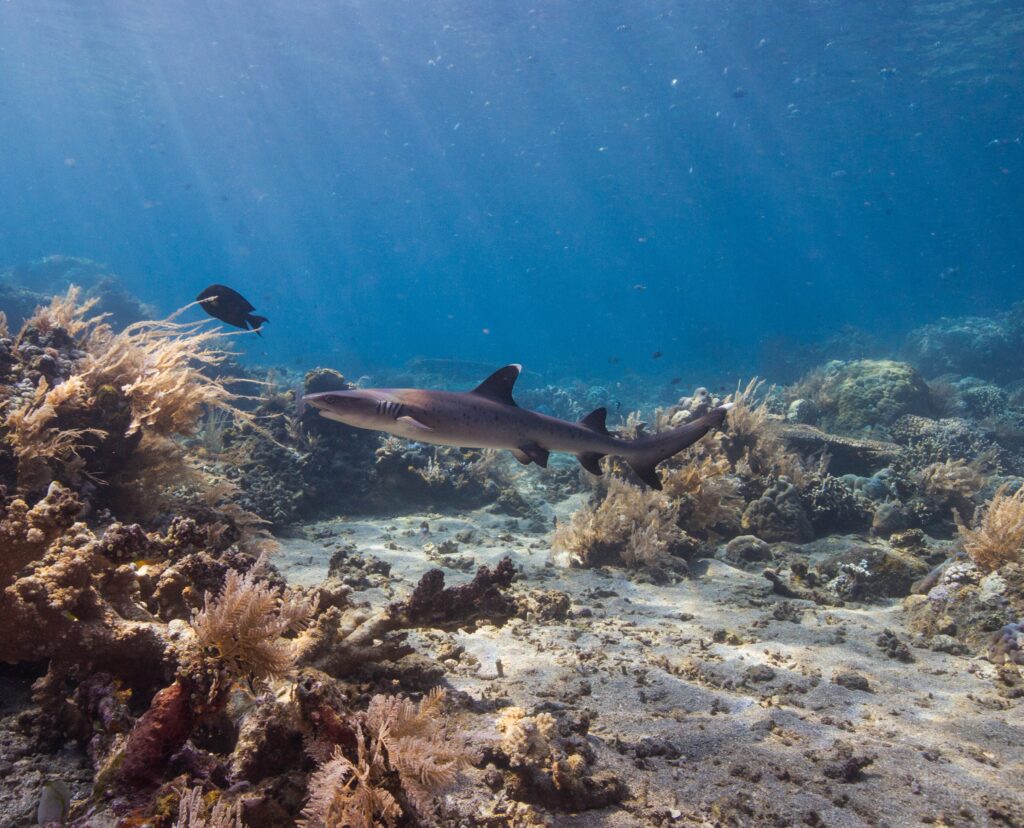
*Whitetip and blacktip reef sharks: Often spotted swimming around the wreck.
* Whale sharks and Mola mola: If you are extremely lucky, you may encounter these magnificent visitors.
The Liberty is particularly interesting for underwater photography because it offers several subjects in one location. Wide-angle photographers can capture the scale of the wreck and schools of fish, while macro photographers can search the surrounding structure for smaller marine life.
However, sightings are never guaranteed. Marine animals move naturally through the area, and responsible divers should observe them without touching, chasing or disturbing them.
USAT Liberty vs USS Liberty: What Is the Difference?
The Difference Between USAT Liberty and USS Liberty
One of the most common mistakes in articles, travel descriptions and conversations about Bali’s famous wreck is calling it the USS Liberty.
Although both ships shared the name Liberty, they were different vessels with different histories.
The wreck in Tulamben is the USAT Liberty, a cargo transport built in 1918 that was torpedoed during the Second World War and eventually stranded on Bali’s coast.
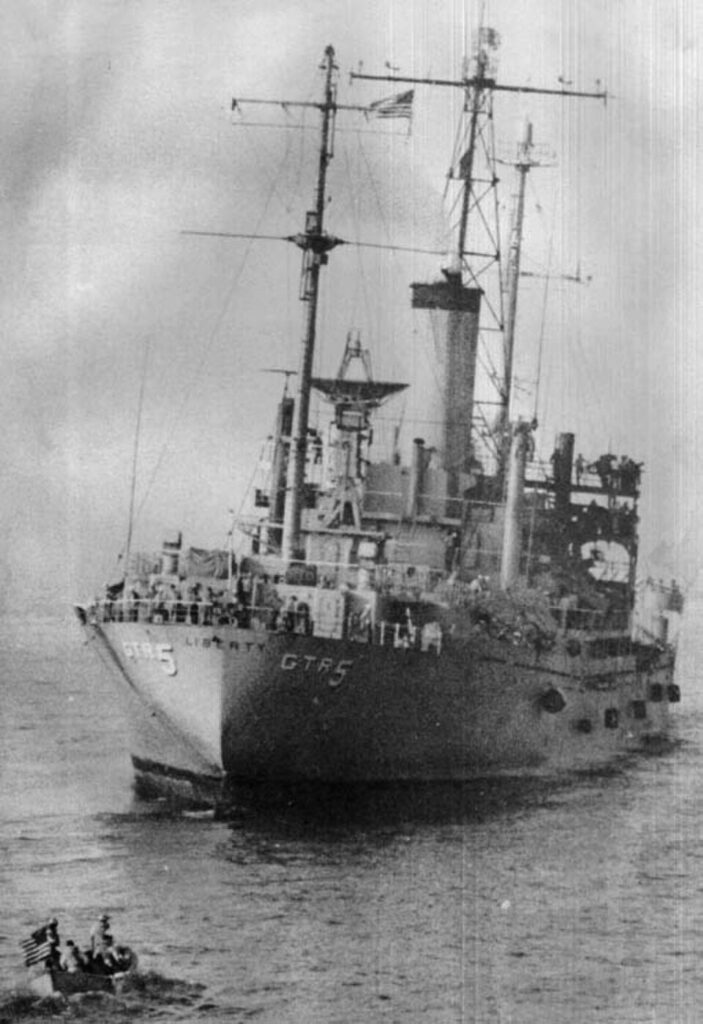
The USS Liberty (AGTR-5) was a completely different American ship. It was a former cargo vessel converted into a technical research and signals-intelligence ship for the United States Navy.
On 8 June 1967, during the Six-Day War, the USS Liberty was attacked by Israeli aircraft and torpedo boats while operating in international waters off the Sinai Peninsula in the eastern Mediterranean. Thirty-four American personnel were killed, and many others were wounded. The damaged ship survived, was repaired and later sold for scrap.
The attack remains a subject of historical debate, including disagreement over whether it was a deliberate attack or a case of mistaken identity.
The distinction is more than a technical detail. It separates two different periods of history: the Second World War in Southeast Asia and the Six-Day War in the Middle East.
Discover the History Beneath the Surface
The USAT Liberty shipwreck has travelled through more than a century of history. Built in 1918, damaged by a Japanese submarine in 1942 and moved into the sea following the volcanic and seismic activity of 1963, it has become part of Bali’s underwater heritage.
Today, its corals, fish and other marine life make it an extraordinary place to dive. At the same time, understanding its history gives the experience another dimension: every dive offers a glimpse into the story of a ship that survived neither war nor the forces of nature, yet continues to support life beneath the waves.
When you next visit Tulamben, remember that you are exploring the USAT Liberty shipwreck, not the USS Liberty of 1967. Knowing the difference helps keep the history accurate and makes the experience even more meaningful.
External References
1. U.S. Naval History and Heritage Command — Liberty II (ID No. 3461) — Primary official naval history covering the ship’s construction, service, torpedo attack and eventual resting place in Bali.
2. Pacific Wrecks — Additional historical information about the vessel and its loss.
Lisa is a Belgian PADI scuba diving instructor and emergency nurse with a big passion for the underwater world, especially macro and muck diving. Over time, this passion grew into underwater macro photography! Join Lisa for her UW Macro Photography Course, where she’ll teach you how to capture the tiny wonders of the ocean and take stunning photos.
You can follow Lisa’s underwater macro photography adventures on Instagram at @mucknificent_uw and @balidiversity to discover the tiny wonders of the ocean through her lens!
Dive With US
Try Diving
You want to see what scuba diving is like. To find out if you are made to share the ocean with fish or not? Or you’re not yet sure if diving is your thing and maybe you have limited timing or budget… No problem!!!
Start your PADI Professional Career with Bali Diversity and turn your passion for the ocean into a professional life of adventure, purpose, and global opportunities underwater.
Technical diving is for divers who want more than standard dive experiences—it’s about unlocking deeper sites, longer bottom times, and total underwater control.